
12 Surprising Factors Lowering Home Value
Home Value, Real Estate Tips, Property Depreciation, Home Improvement Advice
Drawing on insights from Zillow and other experts, this guide reframes those findings for real estate professionals who want clear, practical real estate tips to protect property value and avoid preventable property depreciation.
Why These Details Matter More Than Ever
Zillow’s research highlights a powerful truth: buyers notice everything. In today’s data-driven market, platforms like Zillow quantify what agents have long known anecdotally. Seemingly small choices in design, maintenance, and layout can have an outsized impact on home value. At Blaithe, we see brokerages spending heavily to generate leads, only to have listings underperform because overlooked details quietly drag down perceived value. Understanding these factors is essential if you want to position every property at its strongest and protect against unnecessary property depreciation.
1. Outdated Kitchens and Bathrooms
Kitchens and bathrooms remain the most value-sensitive spaces in a home. Zillow research shows that listings with outdated finishes in these rooms tend to linger longer and often sell for less. Buyers mentally calculate the cost of renovation and discount their offers accordingly. For professionals, this is a key real estate tip: even modest, targeted updates such as fresh cabinet hardware, modern lighting, neutral paint, and updated faucets can help stabilize perceived value without a full gut renovation. When advising sellers, position these projects as strategic home improvement advice rather than cosmetic indulgences.
2. Overly Personalized Design Choices and Bold Colors
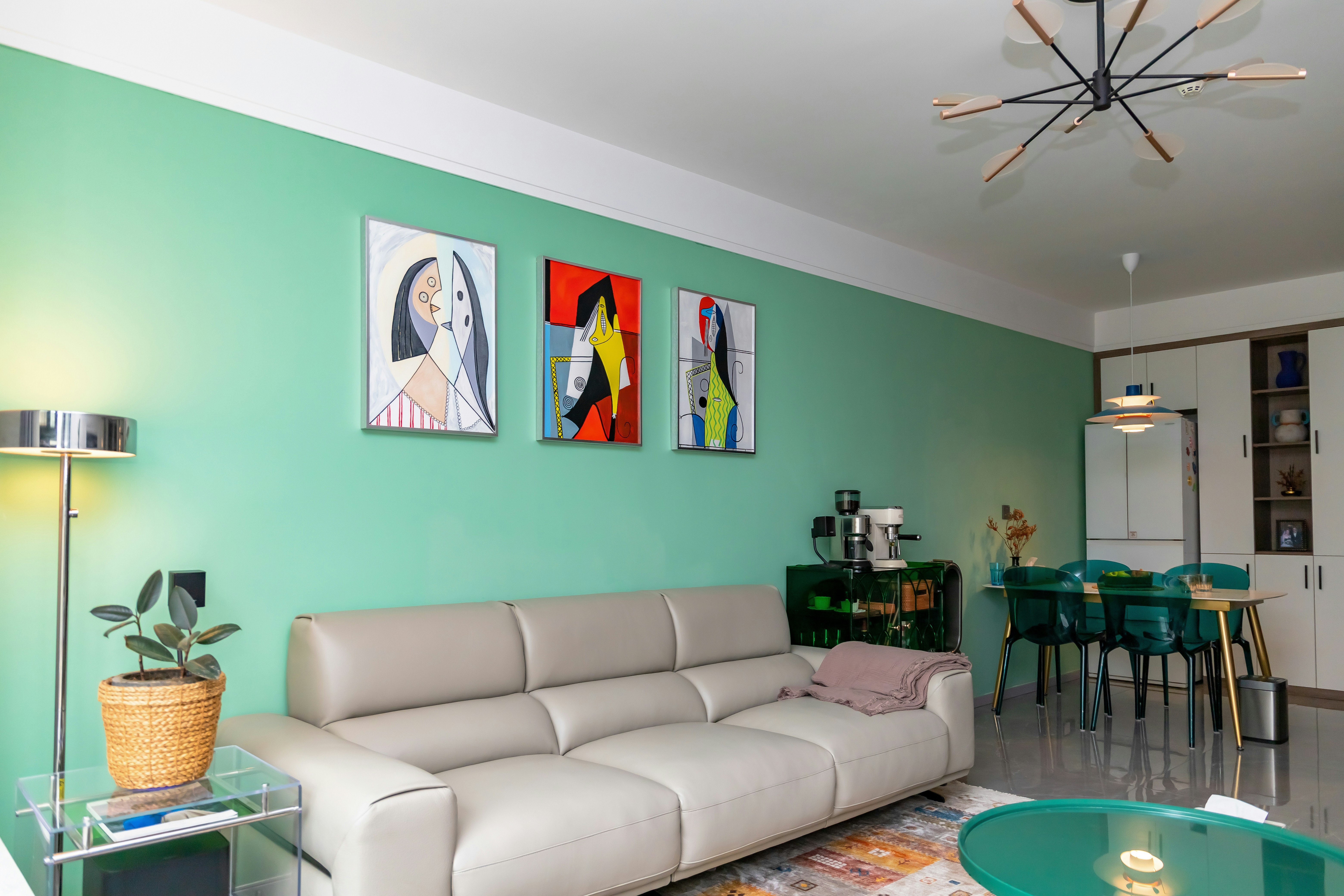
Dramatic paint colors and highly specific design statements can narrow your buyer pool. Zillow’s analysis has repeatedly shown that homes with popular, neutral palettes often command higher sale prices than those with polarizing shades. While there is room for personality, agents should be direct with sellers. Bold accent walls, themed rooms, or unusual tile patterns may read as “projects” to buyers. Recommending a simple, neutral repaint is one of the easiest home improvement advice strategies to reduce friction and support a stronger price point.
3. Poor Curb Appeal and Neglected Landscaping
First impressions happen in seconds, long before a buyer sees the kitchen. Cracked walkways, overgrown shrubs, peeling paint, and cluttered porches can all chip away at home value. Zillow research has found that attractive landscaping and a neat exterior are consistently associated with higher sale prices and faster sales. For busy real estate professionals, this is a high-ROI talking point: simple yard cleanup, fresh mulch, trimmed hedges, and a pressure-washed walkway can immediately counteract silent property depreciation without requiring major capital investment from the seller.

Clean, low-maintenance landscaping signals care and can nudge offers higher.
4. Excessive Carpet and Worn Flooring
Wall-to-wall carpeting, especially if dated, stained, or heavily worn, can quickly reduce buyer enthusiasm. Many buyers now prefer hardwood, luxury vinyl plank, or tile, and Zillow’s data reflects a premium for listings that showcase durable, easy-to-clean flooring. From a property depreciation standpoint, old carpet not only signals age but also raises questions about allergens and cleanliness. Guiding sellers toward replacing the most visible flooring areas or, at minimum, having carpets professionally cleaned can meaningfully support perceived home value.
5. Unpermitted Additions and DIY Construction
Unpermitted work can be a serious red flag. Whether it is a converted garage, a finished basement, or a deck added without inspections, buyers and their lenders may see liability, not value. Zillow and other data sources consistently show that square footage and features only translate into higher home value when they are legal, safe, and documented. For brokers and agents, a critical real estate tip is to encourage sellers to resolve permit issues early. Disclosing and addressing these items upfront can prevent renegotiations, delays, or failed escrows that effectively erode property value.
6. Outdated Fixtures, Lighting, and Hardware
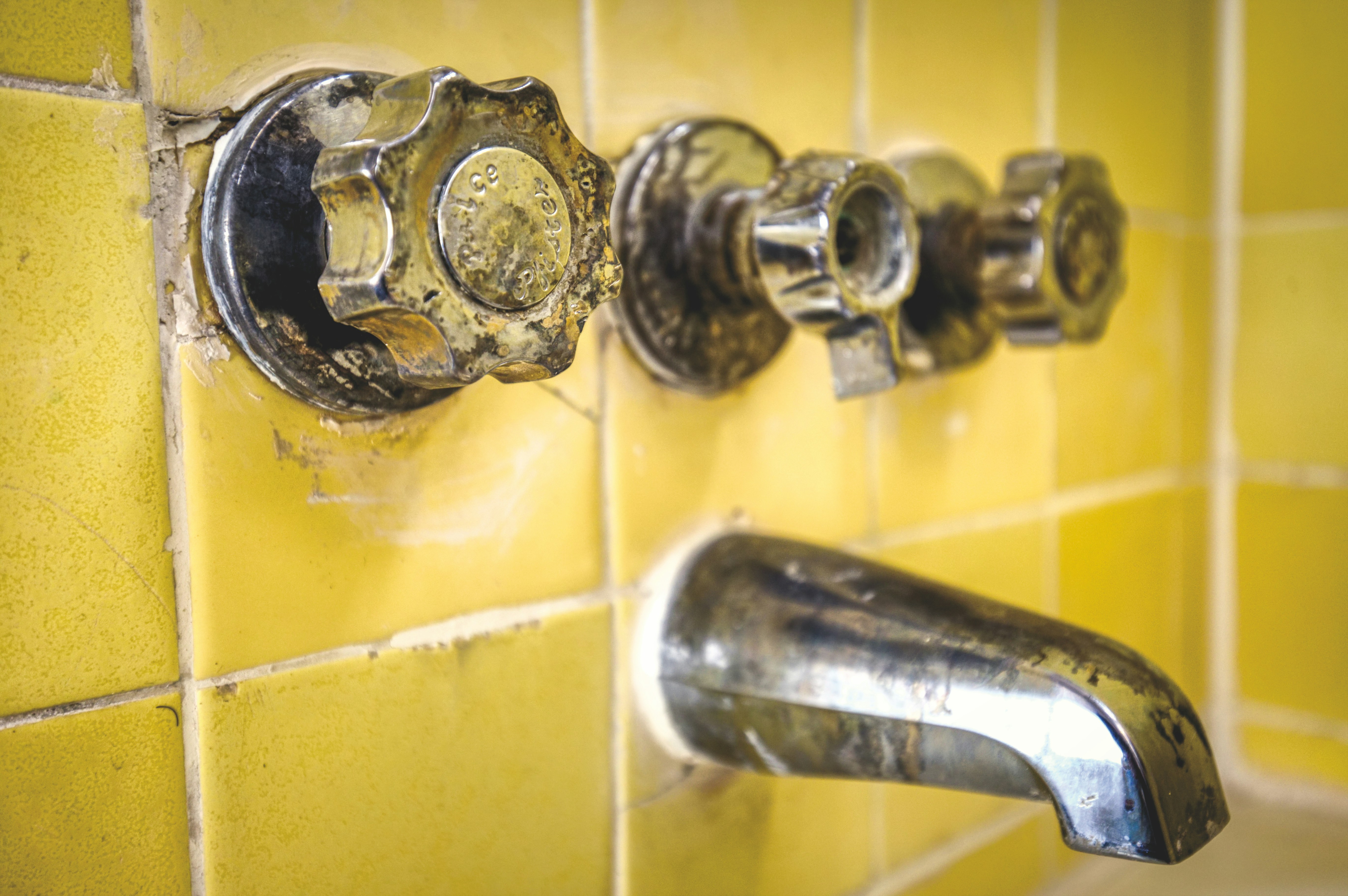
Small details like brass-and-glass light fixtures from the 1990s, builder-grade faucets, and yellowed switch plates can date a home instantly. Zillow’s analysis of listing photos suggests that modern, cohesive fixtures contribute to a more “move-in ready” perception, which often correlates with stronger offers. This is where targeted home improvement advice matters: swapping out a few highly visible fixtures, updating cabinet pulls, and installing brighter, energy-efficient bulbs can shift the overall impression from “tired” to “well-maintained” at a relatively low cost.
7. Strong Odors and Evidence of Pets or Smoking
Smell is an often underappreciated factor. Lingering pet odors, smoke, or heavy fragrances can immediately lower a buyer’s interest, regardless of how attractive the listing photos appear online. While not always quantified directly in Zillow’s pricing data, agents routinely see buyers mentally subtract for professional cleaning, repainting, and floor replacement when odors are present. To protect home value, recommend deep cleaning, ozone or professional odor treatment, and, when necessary, repainting and replacing soft surfaces. This is one of the fastest ways to prevent silent property depreciation that starts the moment a buyer walks through the door.
8. Poor Layout and Awkward Room Use
While layout changes can be expensive, awkward furniture placement, clutter, or confusing room functions can exaggerate layout problems. Zillow research shows that buyers respond positively to listings that clearly communicate function: a home office that looks like a workspace, a bedroom that feels restful, a dining area that is easy to visualize. As a real estate tip, encourage professional staging or at least strategic decluttering and rearranging to clarify each room’s purpose. Even when walls cannot move, a thoughtful presentation can mitigate perceived layout flaws and support stronger offers.
9. Visible Deferred Maintenance and Aging Systems
Buyers quickly notice peeling caulk, dripping faucets, cracked tiles, and stained ceilings. These cues often trigger deeper concerns about the roof, HVAC, plumbing, or electrical systems. Zillow’s data frequently shows price reductions on homes that sit on the market because inspection reports reveal long lists of deferred maintenance. From a property depreciation standpoint, this is preventable. Advising sellers to address obvious minor repairs, service HVAC units, and provide documentation of recent work can reassure buyers and appraisers that the home has been responsibly maintained, helping to preserve Home Value.
10. Outdated Appliances and Energy Inefficiency
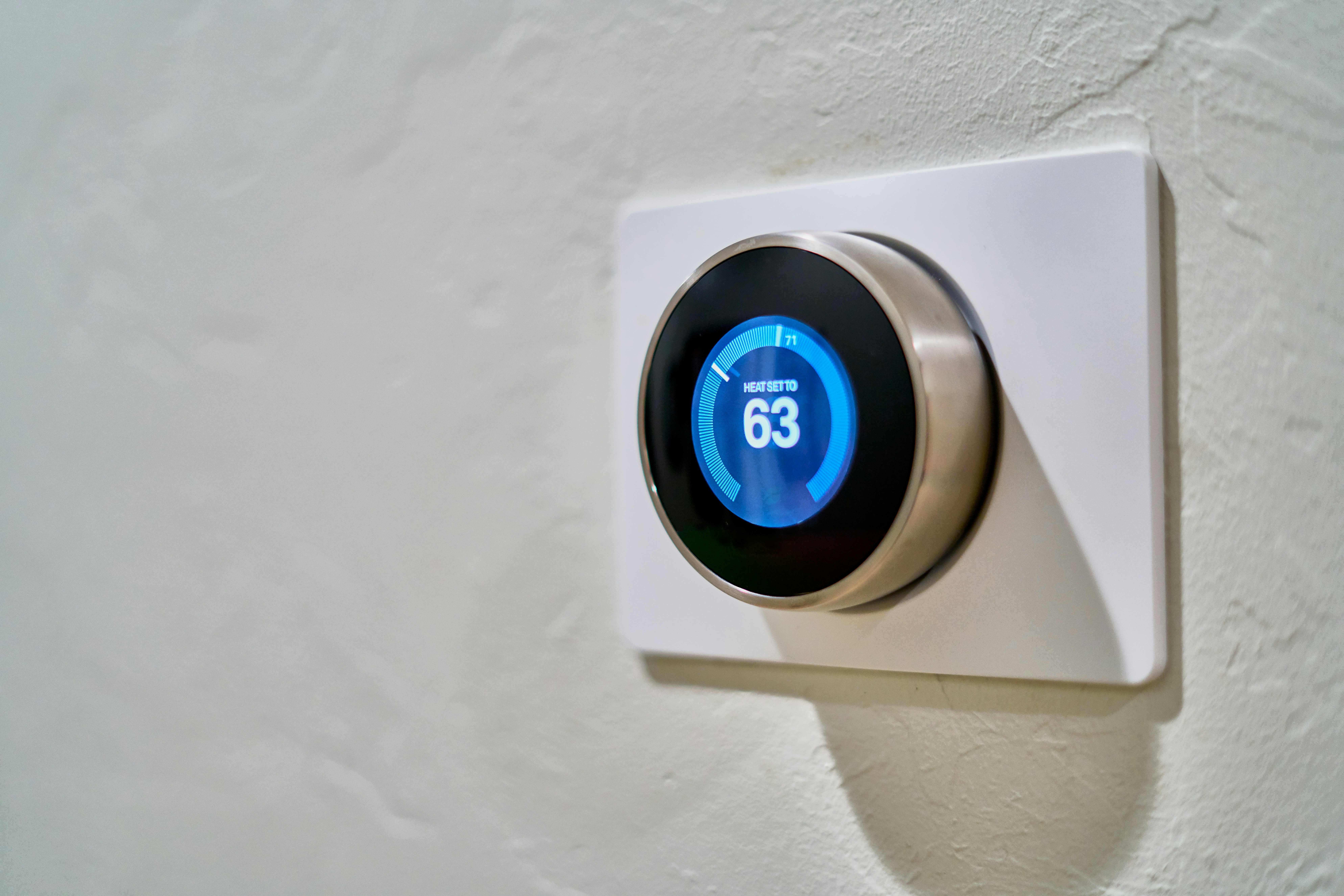
Energy efficiency is more than a buzzword. It is a value driver. Old, mismatched appliances and drafty windows can signal higher utility costs and upcoming replacement expenses. Zillow’s market insights indicate that homes with newer, energy-efficient appliances and windows often appeal more to today’s cost-conscious buyers. For real estate professionals, smart home improvement Advice includes recommending sellers replace the most dated, unreliable appliances first and highlight any efficiency upgrades in marketing materials to support a stronger value narrative.
11. Overbuilt or Misaligned “Luxury” Upgrades
Not every upgrade adds value. Installing ultra-high-end finishes or specialty rooms that exceed the expectations of the neighborhood can actually hurt resale. Zillow’s data often shows that homes priced far above local norms, due to over-customized “luxury” features, experience longer days on market and deeper price cuts. For brokers and agents, this is an important real estate tip to share with clients early. Align improvements with the price point and buyer profile for the area to avoid self-inflicted property depreciation through overbuilding.
12. Cluttered, Dark, or Poorly Photographed Interiors
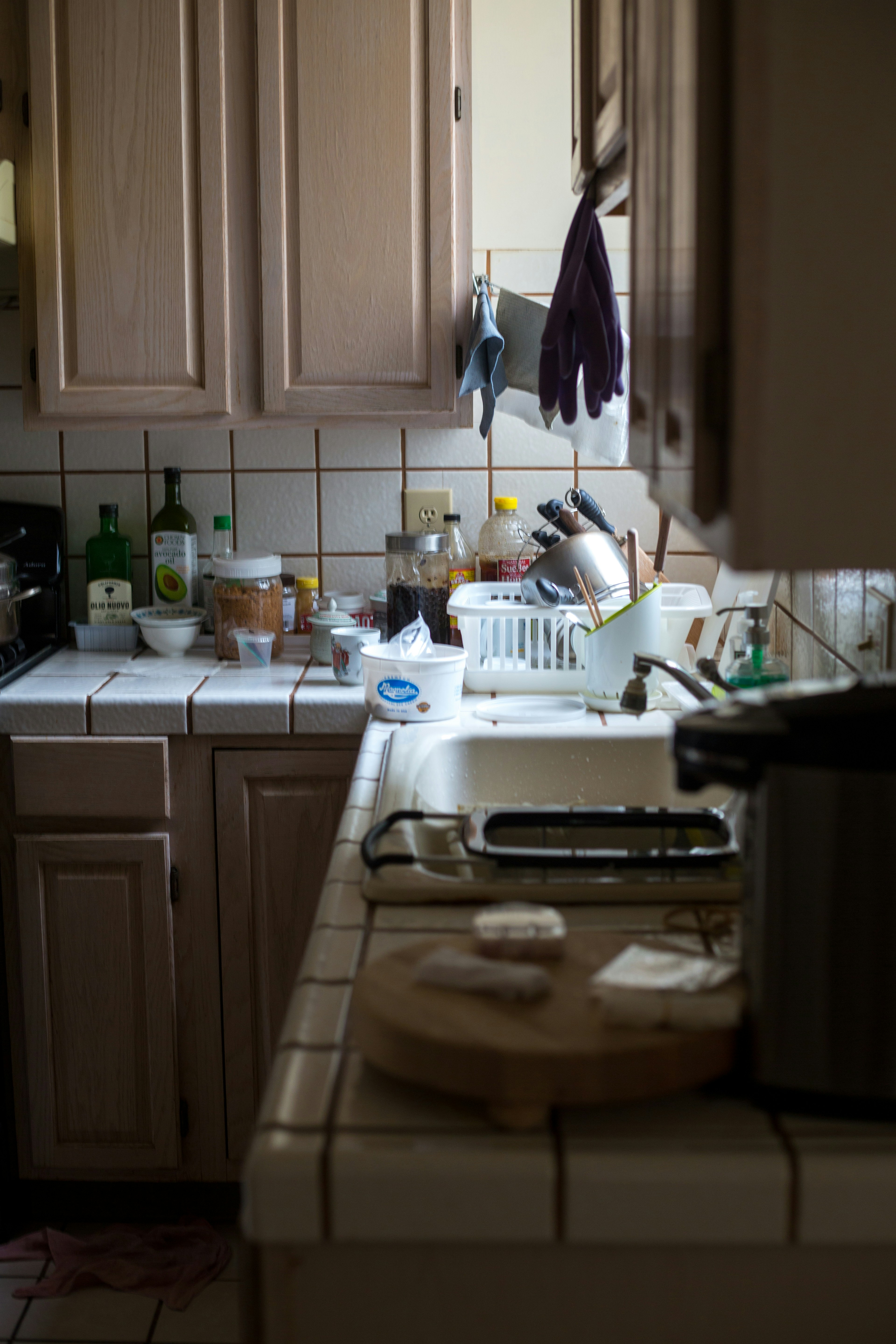
Finally, presentation has a major impact, especially online. Dark rooms, heavy window treatments, crowded surfaces, and low-quality listing photos can all suppress home value by reducing showings and lowering perceived quality. Zillow’s platform is highly visual, and its research has confirmed that bright, well-composed photos are associated with more views and stronger engagement. For busy real estate professionals, this is where process and automation can help. Consistent pre-list checklists, standardized photo briefs, and automated reminders ensure every listing is presented at its best, without relying on memory alone.
Bringing It All Together: A Systems Approach for Real Estate Professionals
Zillow’s statistics and insights make one message clear. Home value is rarely determined by one dramatic feature. Instead, it is the accumulation of many small decisions such as paint colors, fixtures, maintenance, layout clarity, and curb appeal that either reinforce or undermine buyer confidence. For individual homeowners, this serves as practical home improvement advice. For real estate agency owners, broker owners, and high-achieving realtors, it is also a call to build repeatable systems that protect every listing from quiet property depreciation.
At Blaithe, we work exclusively with brokers and brokerages to automate the processes that support these real estate tips in day-to-day operations. From automated pre-listing checklists that flag common value killers, to follow-up workflows that ensure recommended improvements are completed before photography, our done-for-you automation approach helps you enforce best practices without adding more to your plate. You focus on strategy and relationships. We handle the systems that keep every property positioned at its full potential.
📌 Key Takeaway: The same details that quietly reduce home value can be systematically managed. When you standardize how you prepare, present, and market listings, you not only protect your sellers’ equity but also strengthen your brand as a results-focused real estate professional.
Final Thoughts and Next Steps
Zillow’s research provides a valuable checklist of factors that can undermine a home’s appeal. Combined with broader market data, it becomes a powerful framework for advising clients and protecting home value in any market cycle. As a broker or brokerage leader, your opportunity is to turn these insights into consistent, automated practice so every listing benefits, not just the ones you personally oversee.
If you want to reduce friction in your listing process, minimize preventable property depreciation, and ensure that real estate tips like these are implemented automatically rather than sporadically, Blaithe can help. Our team builds and manages tailored automation systems specifically for brokerages, so you do not have to become a tech expert to get tech-level results. We provide the car and the driver. You simply decide where you want your business to go.
💡 Pro Tip: If you can list three or more recurring issues that keep showing up in inspections, price reductions, or buyer feedback, those are prime candidates for automation and standardized home improvement advice in your listing workflow.
To explore how automation can help your brokerage consistently protect and enhance home value across every listing, book a call with Blaithe. Together, we can design a streamlined, reliable system that supports your agents, serves your sellers, and strengthens your results without adding more work to your already full schedule.
