
Broker Success Story: 27 Cold Leads in 30 Days Using Automation
Cold Leads, Broker Automation, Lead Reactivation, Storytelling Marketing, Brokerage Strategies
This is the story of a mid-sized brokerage owner who was tired of burning money on new leads while thousands of cold leads slept quietly in their CRM. In 30 days, with a simple layer of broker automation, they turned 27 of those “dead” contacts back into live conversations and closings without learning any new tech themselves.
The broker, the “dead” database, and the quiet leak
I’ll call him Alex. Alex owns a small but ambitious brokerage in a competitive metro market. Fourteen agents, a decent brand, plenty of hustle. On paper, things looked fine. But when we sat down and opened his CRM, the story changed fast.
There were 3,842 contacts marked as cold leads. No recent activity. No tasks. No follow-up. Just names and numbers that had once clicked an ad, filled out a form, or toured a property and then drifted away. Alex had spent six figures over the years to acquire them. Now they sat there like a silent tax on every new marketing dollar he spent.
“We’re focused on new leads,” he told me. “Cold leads don’t convert.” That belief is common. It’s also expensive. Recent benchmarks show CRM reactivation campaigns convert at 10–15%, while paid ads often sit at 2–5%, and reactivation cost per lead is about 62% cheaper than buying new traffic (audienceintent.ai).
Every month you ignore your database, you pay extra for leads you already own.
Why we insisted on an anonymized breakdown
At Blaithe, we only work with brokers and brokerage owners. Reputation and compliance matter. So when we share wins, we strip out personal details and market specifics. What you’ll see here is anonymized data: real numbers, real timelines, no identifying markers. The point isn’t who Alex is; it’s what he did and how you can borrow the same brokerage strategies without adding tech headaches to your week.
Step 1: We stopped chasing “everyone” and chose 312 leads on purpose
As a Senior Software Engineer, my instinct is always the same: before you automate, clean the data. Reactivation stats show that responsiveness drops from about 18.5% for leads dormant 30–90 days to just 4.2% for those dormant 1–2 years (suparev.com). So we weren’t going to blast all 3,842 records and hope for the best.
We filtered for leads who had engaged within the last 18 months.
We kept only those with valid phone and email.
We prioritized higher-intent behaviors: property tours, valuation requests, financing questions.
That left us with 312 Cold Leads - a list small enough to treat like humans, but large enough to matter. This is where broker automation starts to feel less like “tech” and more like sales storytelling at scale.
Step 2: Storytelling Marketing, not spam
We didn’t begin with a discount or a hard pitch. We began with a story - Alex’s story. Marketing research suggests people remember stories up to 22 times more than facts alone, and brands using storytelling are projected to see around a 30% increase in engagement and a 20% lift in loyalty by 2026 (Forbes, MarketingDive, Business Insider).
So we built a three-part narrative sequence: “Where you were,” “What’s changed,” and “What might be next.” Each message was short, conversational, and framed around the client’s journey not Alex’s commission check.
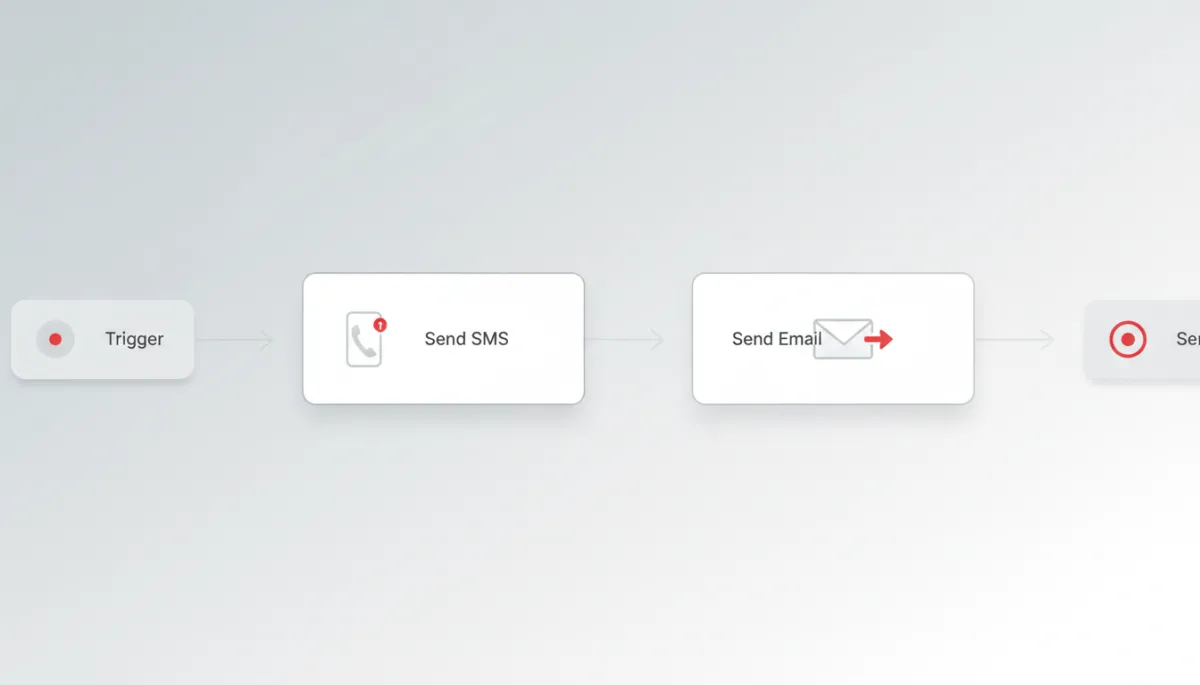
A simple multi-step workflow turned one broker’s “dead” CRM into live conversations.
Step 3: The actual automation under the hood (in human language)
Alex didn’t want another system to log into. His words: “I want the car and the driver, not a manual.” So we built a lightweight workflow that lived inside his existing CRM and phone system. Multi-channel outreach (SMS + email + phone) typically delivers about 2.3× higher lead reactivation than single-channel touches (suparev.com), so we mirrored that pattern.
Here’s a simplified Python-style sketch of the logic we implemented behind the scenes at Blaithe. You don’t need to code this yourself but seeing it demystifies what “broker automation” really means:
from datetime import datetime, timedelta

LEAD_STATES = ("NEW", "ACTIVE", "COLD", "REACTIVATED")

def is_cold_lead(lead) -> bool:
    last_activity = lead.get("last_activity_at")
    if not last_activity:
        return False
    return (datetime.utcnow() - last_activity) > timedelta(days=90)

def should_enroll_in_campaign(lead) -> bool:
    return (
        lead.get("status") in ("COLD", "NO_RESPONSE")
        and is_cold_lead(lead)
        and lead.get("phone") is not None
        and lead.get("email") is not None
    )

def build_story_message(lead, step: int) -> str:
    first_name = lead.get("first_name", "there")
    if step == 1:
        return (
            f"Hey {first_name}, it's Alex from <Your Brokerage>. "
            "You reached out about real estate a while back. "
            "A lot's changed in the market—want a quick 5-min update?"
        )
    if step == 2:
        return (
            f"{first_name}, quick story: one of our clients waited 18 months "
            "to re-enter the market and still found the right home. "
            "Curious what your options look like now?"
        )
    return (
        f"{first_name}, last note from me: if you'd like a no-pressure "
        "15-min call this week, reply YES and I'll send times."
    )

def schedule_reactivation_sequence(lead, send_sms, send_email):
    for step, delay_days in enumerate((0, 3, 7), start=1):
        send_at = datetime.utcnow() + timedelta(days=delay_days)
        message = build_story_message(lead, step)
        # In production we'd persist this to a queue / workflow engine
        send_sms(lead["phone"], message, send_at=send_at)
        if step == 2:
            send_email(
                lead["email"],
                subject="Quick market story for you",
                body=message,
                send_at=send_at,
            )
In plain English: when a lead becomes “cold” by our definition, we automatically slot them into a three-touch, story-driven sequence: two SMS, one email spaced over a week. Alex doesn’t press buttons; he just sees replies hit his phone and calendar.
Think of automation as a polite assistant who never forgets to follow up, not as a robot trying to “sell” for you.
The 30-day window: what actually happened
We launched the workflow on a Monday morning. For the first few hours, nothing. Then the first reply came in at 11:23 AM: “Hey, actually we’re thinking about selling this summer. Can we talk?”
By the end of week one:
312 Cold leads enrolled in the sequence.
286 SMS delivered successfully (number hygiene matters).
41 replies across SMS and email.
That’s a reply rate of about 14% on a segment that had been written off as “dead.” Industry-wide, SMS reactivation campaigns can see response rates around 45% and reactivation in the 20–30% range (audienceintent.ai), so Alex’s numbers were actually conservative and we were just getting started.
Over the full 30 days, here’s the anonymized breakdown:
312 leads in campaign
68 meaningful conversations (about 21.8%)
27 leads reactivated into appointments or active searches (8.6%)
6 closed transactions within 60 days of campaign start
Reactivating 27 Cold Leads in 30 days isn’t magic; it’s math. Across industries, database reactivation campaigns regularly deliver 10×–50× ROI on spend (suparev.com). Alex’s cost to run this sequence: software, messaging, our done-for-you setup was a fraction of a single closed commission check.
The human side: what automation actually changed for Alex
Before automation, Alex had a familiar story: mornings lost to manual follow-up, afternoons reacting to fires, evenings wondering which leads he’d forgotten to call. After we turned on the workflow, something subtle happened...his calendar started to look calmer, and his pipeline fuller.
He stopped asking, “Who should I call today?” The system surfaced the people already raising their hands.
His agents spent more time in appointments and less time chasing ghosts.
His marketing spend shifted from “more new leads” to “deeper with the leads we already paid for.”
In the broader broker world, this mirrors a bigger trend. By 2026, about 68% of brokerages in other verticals are piloting or running AI agents (FastFreight, 2026), and finance teams are deploying AI across their workflows at scale (KPMG, 2026). The pattern is clear: the firms that win aren’t necessarily the ones with the flashiest ads; they’re the ones that quietly let automation handle the repeatable work so humans can focus on trust and judgment.
What this means for your brokerage, practically
If you’re a broker or brokerage owner, you don’t need more theory. You need a simple path. Here’s how to borrow Alex’s playbook without becoming a developer:
Audit your Cold Leads. Export the last 12–18 months of inactive contacts. Keep only those with valid phone/email and real prior interest.
Craft a three-part story, not a sales script. Where they were when they first reached out, what’s changed in the market, and what’s possible now—with a clear, low-pressure next step.
Automate the timing. Whether you use a CRM or a platform like what we build at Blaithe, schedule those touches over 7–14 days. Let the system handle the nudges; you handle the replies.
Broker Automation isn’t about replacing you. It’s about making sure your best stories and follow-ups go out every time, even on your busiest days.
If you want the car and the driver
At Blaithe, our entire focus is brokers and brokerage owners who don’t have the time or frankly, the interest to become automation experts. You shouldn’t be wiring up webhooks at midnight. You should be negotiating offers, leading your team, and spending your off-hours anywhere but in a settings menu.
Alex’s breakdown: 27 Cold Leads reactivated in 30 days isn’t a one-off miracle. It’s what happens when sales storytelling, smart brokerage strategies, and done-for-you automation line up. Your CRM is already full of people who once raised their hand. The question is whether you’ll let them keep going cold, or whether you’ll give them a simple, human story and an easy way back to you.
If you’d like us to quietly build this engine behind your brokerage so you get the results without touching the tech the next step is simple: book a call with us. We’ll walk through your current database, map out a Lead Reactivation plan, and show you what 30 days of focused automation could look like for your numbers.
Your stories are already there. Your leads are already there. With the right automation, the next 27 reactivated opportunities might already be sitting in your CRM waiting for you to press “go.”
